OUR WHY & MISSION

Every beginning.
A circle of care.

A new family should have warmth, everyday essentials, and people to turn to. We want those things to be within reach, so the first weeks are easier to manage.

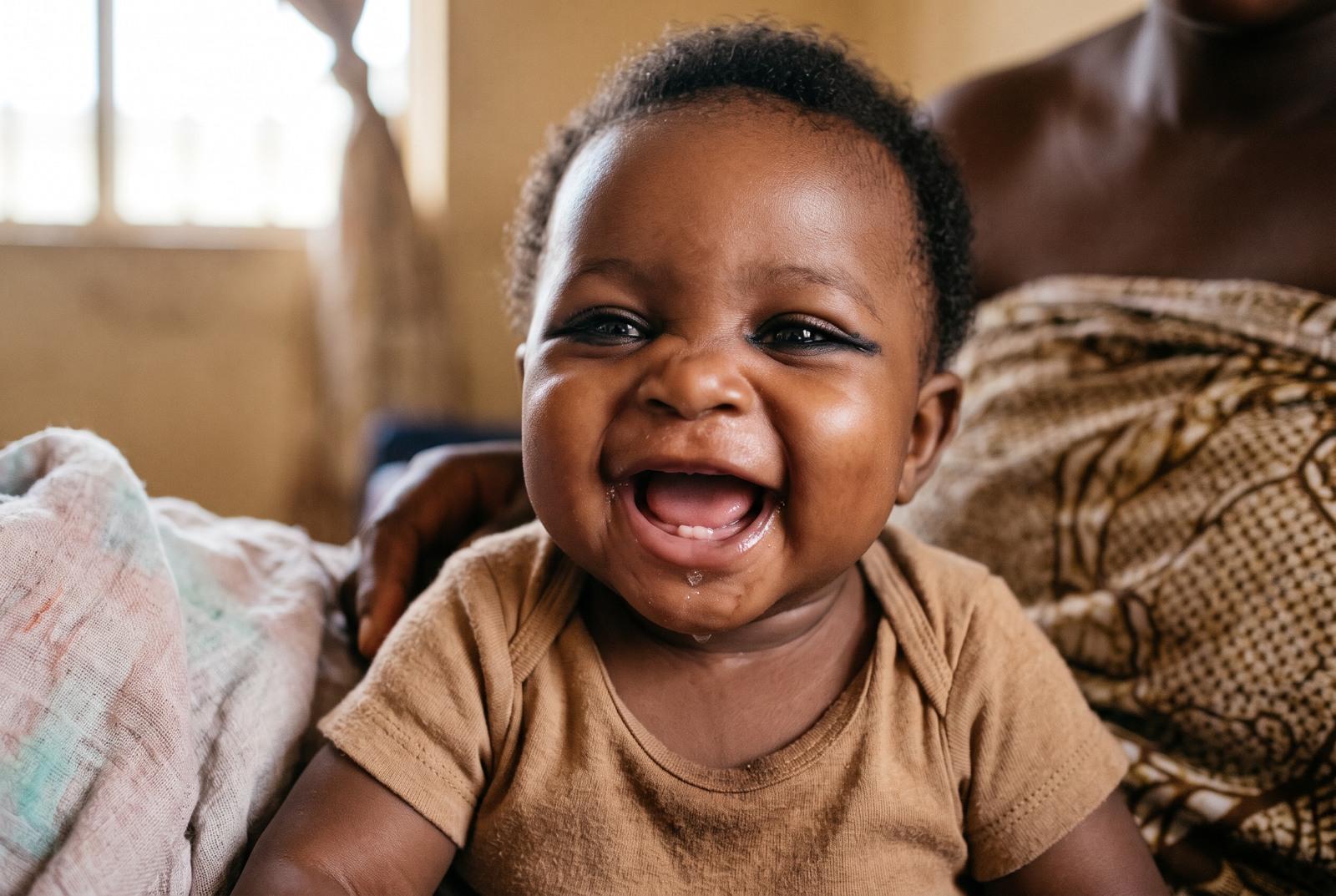
A laughing baby in a beige top is held close by a caregiver in a sunlit room.

OUR MISSION

Maternal and baby care within reach.

We gift families the essentials, clear information, and a community safety net around each new family.

That means maternal and baby essentials at locally hosted community sessions, shaped around a mother’s needs, remembered alongside her baby’s.
OUR VISION

Every beginning,
with the basics in place.

We want a Nigeria where mothers and newborns begin life together with dignity, essentials close at hand, and people to turn to.

We also want every family to know where to find skilled care and support, close to home.

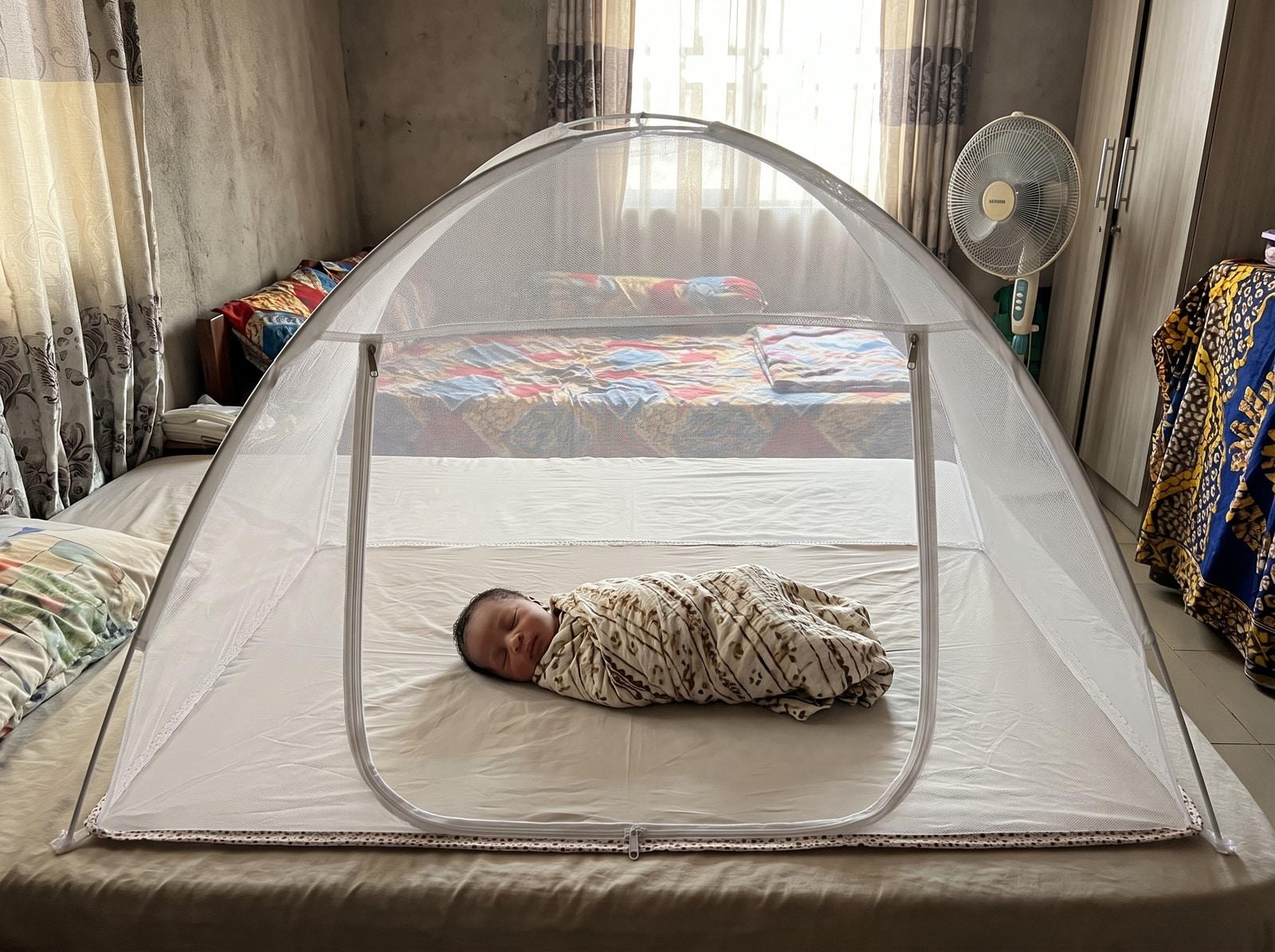
A swaddled newborn rests beneath a pop-up mosquito net on a bed in a lived-in bedroom.
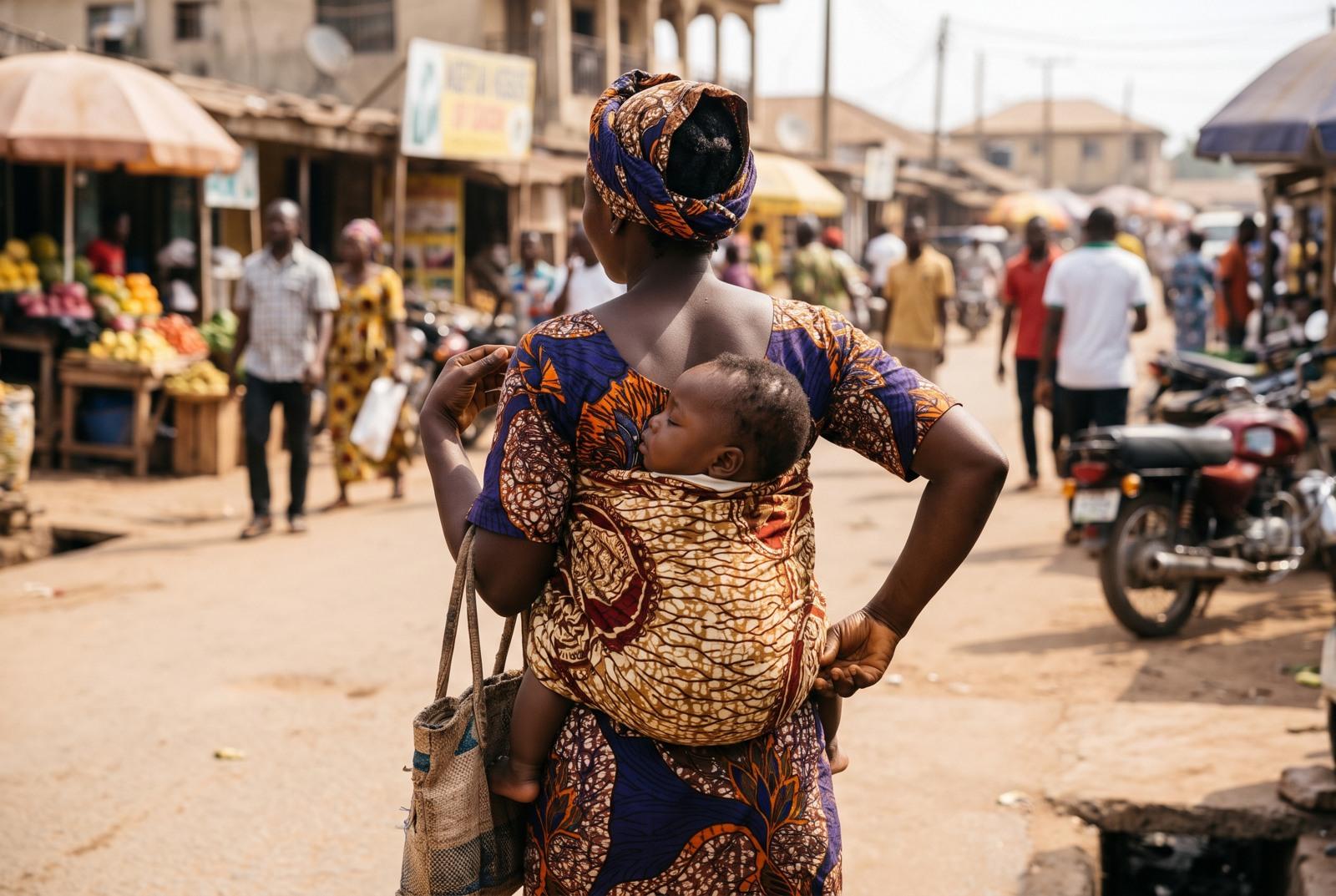
A woman carries a sleeping baby on her back in a patterned wrap along a sunlit market street.

OUR WHY

The first days deserve more care.

A new baby’s health and a mother’s wellbeing belong in the same conversation.

Welcoming a baby should come with warmth, everyday essentials, and someone to turn to. In Nigeria, the gaps in maternal and newborn health are serious. Families need skilled care and clear information, but they also need support for daily life.

WHO identifies poverty, unequal access to services, and gaps in the quality of care as barriers to maternal health. For a family, those pressures can sit alongside the immediate worry of finding everyday essentials for a new baby. Read WHO’s explanation. (opens in a new tab)

The mortality figures are national estimates, with different years and denominators. They describe the need for care in Nigeria. The six-week figure describes WHO guidance.

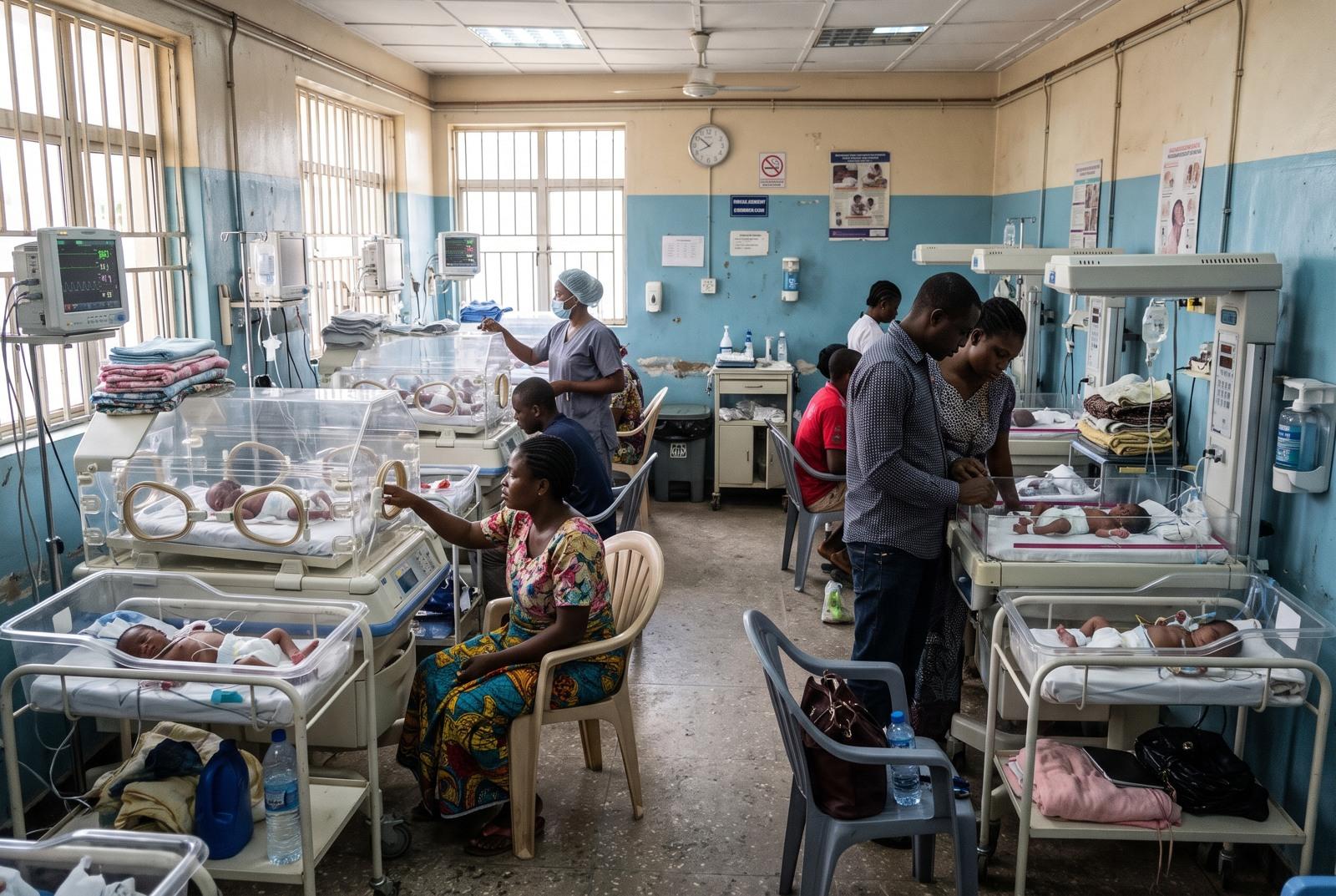
Parents sit and stand beside newborns in incubators and bassinets while health workers provide care in a sunlit ward.
WARMTH & EVERYDAY CARE

Small needs are real needs.

WHO includes thermal protection, hygienic skin and cord care, feeding support, and assessment by health workers in essential newborn care. Clothing, blankets, and clean changing essentials belong to the everyday routines around that care. Essential newborn care. (opens in a new tab)

CARE FOR MUM, TOO

Recovery deserves attention.

WHO’s postnatal guidance addresses physical recovery, breastfeeding counselling, mental health, and support from partners and families. A mother’s comfort, rest, and ability to ask for help matter alongside her baby’s needs. Postnatal care guidance. (opens in a new tab)

INFORMATION & CONNECTION

Support should be easy to reach.

Feeding can take patience and skilled help. WHO and UNICEF recommend breastfeeding support, and WHO highlights the role of trained health workers in helping families overcome difficulties. Feeding support. (opens in a new tab)

Safer-sleep guidance belongs alongside useful essentials: place babies on their backs for every sleep, use a firm, flat sleep surface, and keep loose bedding and soft objects out. These steps can reduce the risk of sudden infant death syndrome (SIDS) and other sleep-related deaths. Read the safer-sleep guidance. (opens in a new tab)

EMOTIONAL WELLBEING

No one should feel forgotten.

WHO recognises low social support and extreme stress among the factors that can increase the risk of maternal mental health difficulties. Listening without judgement, offering practical help, and making space to seek professional support are part of caring for a family. Maternal mental health. (opens in a new tab)

WHERE ROOTEDRIBBONS FITS

Practical care, alongside health services.

We focus on maternal and baby essentials, local community sessions, and connections to local services. This sits alongside skilled maternity and newborn care, while health workers provide clinical assessment and treatment.

LOCAL CARE. SHARED GOALS.

Connected to a wider goal.

Our mission connects to the UN Sustainable Development Goals (SDGs), with mothers and newborns at the centre.
GOAL 3

Good Health and Well-being

Practical essentials and clear information sit alongside the skilled care families need, connecting us to Goal 3’s targets on maternal and newborn deaths.

Explore Goal 3 at the UN (opens in a new tab)
GOAL 1

No Poverty

Maternal and baby essentials are our contribution around a new birth, connecting our mission to Goal 1’s focus on poverty.

Explore Goal 1 at the UN (opens in a new tab)
GOAL 10

Reduced Inequalities

Everyday essentials should not depend on a family’s circumstances. We welcome families without judgement, which connects us to Goal 10.

Explore Goal 10 at the UN (opens in a new tab)
GOAL 17

Partnerships for the Goals

We build care through local relationships with families, health workers, volunteers, and suppliers, reflecting Goal 17’s emphasis on partnership.

Explore Goal 17 at the UN (opens in a new tab)
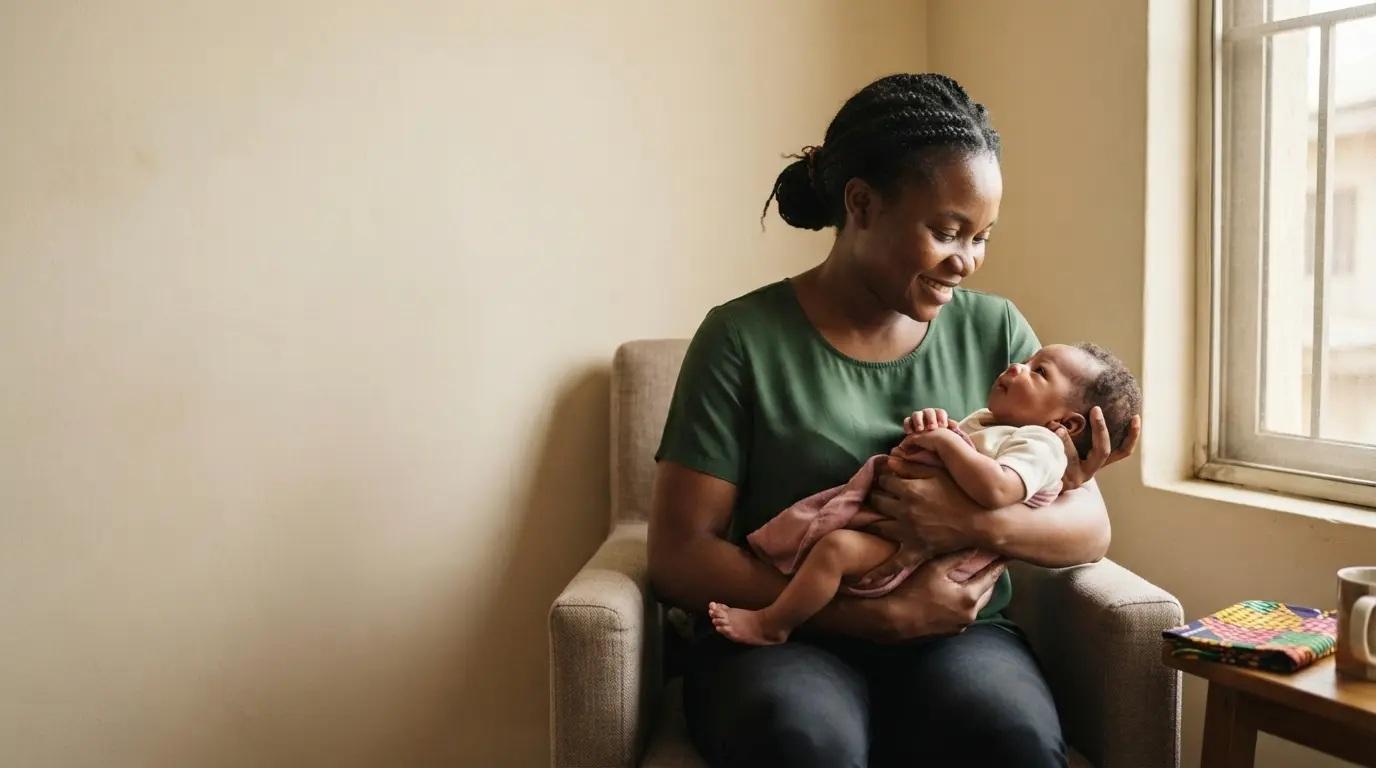
A mother in a green top cradles her newborn beside a sunny window.

OUR STORY

It started with a question.

RootedRibbons began with a simple belief: no family should have to start without the basics.

RootedRibbons began with Juliet Edjere (opens in a new tab)’s long-held wish to help children grow up with care and belonging. Becoming a mother brought a new perspective on the weeks and months after birth, and on the day-to-day and emotional support mothers and newborns need.

This sparked a simple question: how could that kind of help reach more families? That question led to RootedRibbons. RootedRibbons is an invitation to turn that belief into shared care for mum as well as baby, with everyone bringing something useful to the beginning.

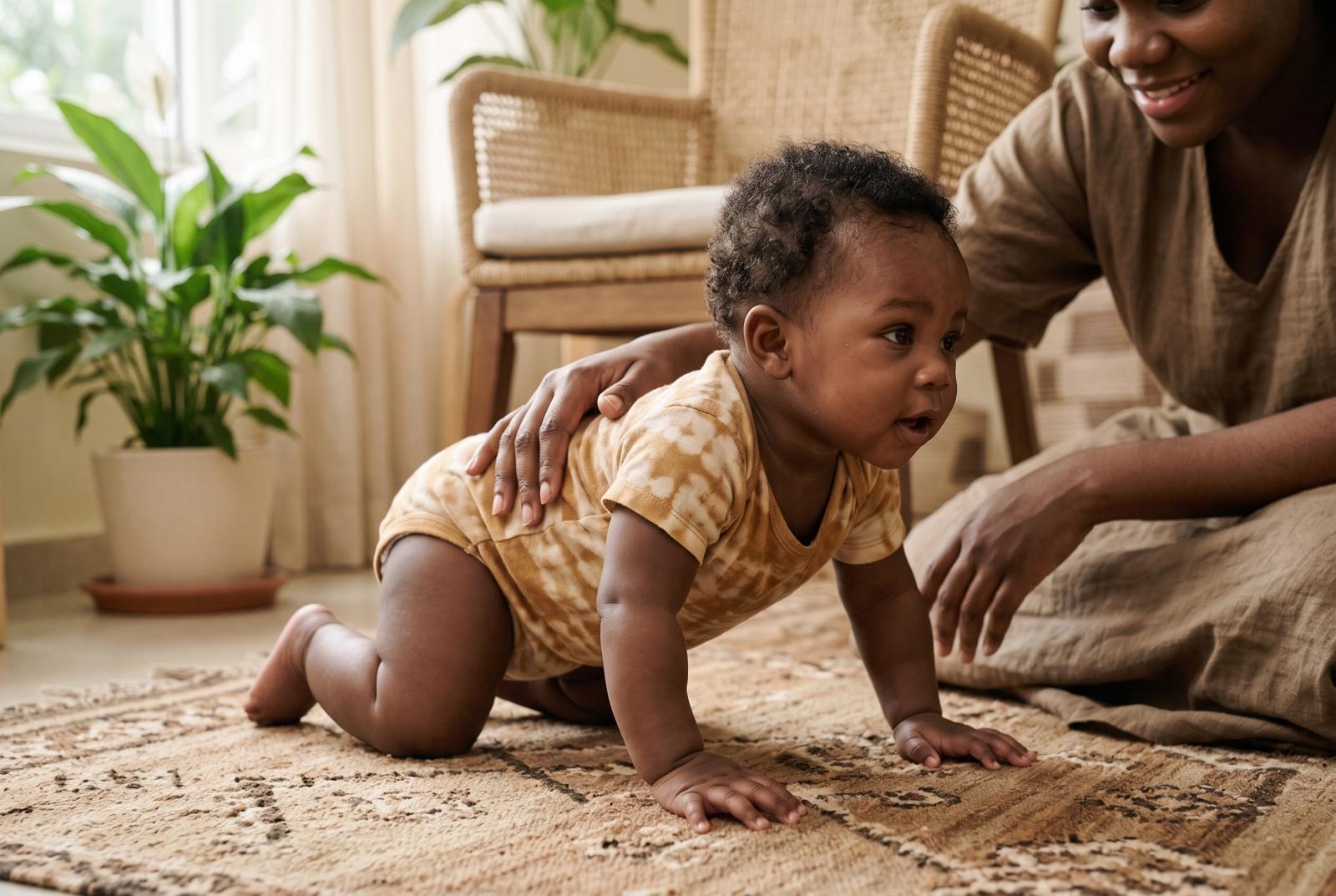
A baby in a soft golden outfit crawls on a woven rug while their mother smiles beside them.

CARE THAT STAYS CLOSE

Care is something
we build together.

Give an hour, some essentials, or a local connection. Each one makes the first days a little easier for a family.
Read the research & sources

Evidence reviewed . National mortality estimates can be revised as new evidence becomes available.

  1. Nigeria: maternal mortality ratio, modelled estimate (opens in a new tab)UN maternal mortality estimation group, via World Bank

    2023: 993 maternal deaths per 100,000 live births. Indicator SH.STA.MMRT.

  2. Nigeria: neonatal mortality rate (opens in a new tab)UN Inter-agency Group for Child Mortality Estimation, via World Bank

    2024: 39 deaths before 28 days of age per 1,000 live births. Indicator SH.DYN.NMRT.

  3. Quality care in the first weeks after childbirth (opens in a new tab)World Health Organization, 30 March 2022

    The first six weeks, postnatal contacts, recovery, partner involvement, and emotional support.

  4. Newborn mortality and essential newborn care (opens in a new tab)World Health Organization, 14 March 2024

    Warmth, hygienic care, feeding support, skilled care, and timely access to treatment.

  5. Maternal mortality: causes and barriers to care (opens in a new tab)World Health Organization, 7 April 2025

    Quality care before, during, and after birth, and inequalities in access to services.

  6. Perinatal mental health (opens in a new tab)World Health Organization

    Maternal wellbeing, the role of social support, and access to treatment.

  7. Breastfeeding and skilled feeding support (opens in a new tab)World Health Organization

    WHO and UNICEF recommendations and the importance of support from trained health workers.

  8. Safer sleep: ways to reduce a baby’s risk (opens in a new tab)US National Institutes of Health, Safe to Sleep

    Back sleeping, a firm and clear sleep surface, room sharing, and reducing the risk of SIDS and other sleep-related infant deaths.

WRITE TO ROOTEDRIBBONS

Let’s make
a beginning.

Have an idea, a useful connection, or a little time to give? Send us a note.