
Community care · 4 min read
Bringing essentials closer.
How local community sessions connect mothers with useful essentials, a personal welcome, and support.
A simple idea, shaped around local life.
A mother needs essentials for herself. Another needs the basics for her baby. RootedRibbons begins with those immediate, ordinary needs. We plan local community sessions where families can collect essentials, ask questions, and find clear information.
The idea grew from seeing baby essentials offered through the UK’s Nappy Nook. Across the country, we need to shape it with the people and places involved. We begin with a familiar venue, a prepared host, and a useful selection of essentials.
Why local knowledge matters.
WHO’s maternal health guidance describes barriers that extend beyond medical knowledge, including income, unequal access to services, and how respectfully people are treated. Local people can help explain the day-to-day detail behind those barriers: which spaces are familiar, when people can visit, what languages are used, and whom families trust.
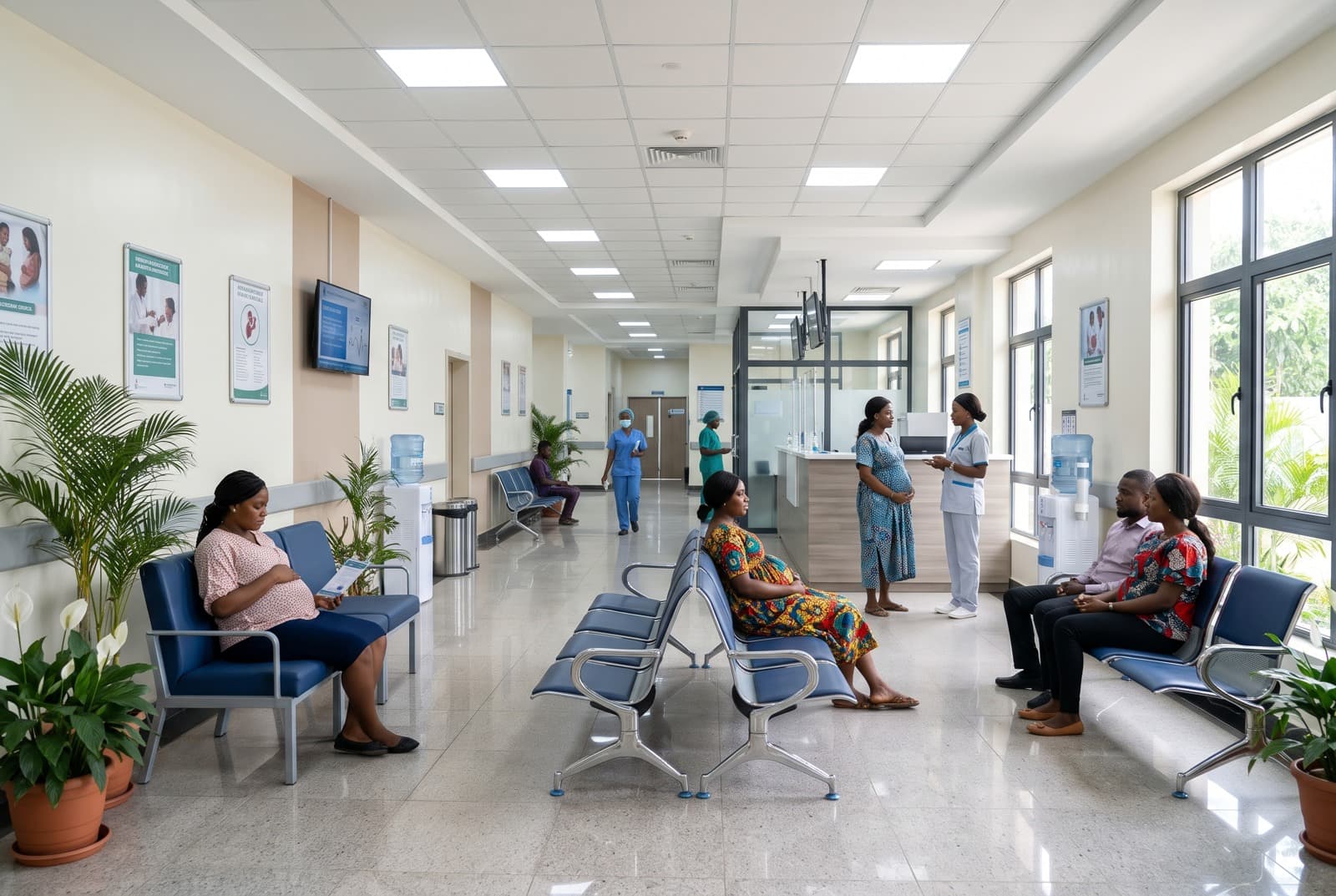
Listening does not mean assuming that one community representative speaks for everyone. Mothers, caregivers, health workers, and potential hosts may notice different needs. A clinic session fits around an existing visit, while a faith or community venue is familiar to families who do not attend that clinic. Neither automatically reaches everyone.
For RootedRibbons, this is a reason to ask about travel, timing, language, and who might be missed. Those conversations help determine whether a venue makes help easier to reach.
Maternal mortality: causes and barriers to care (opens in a new tab)
Listening is part of the work.
WHO has published guidance on facilitated participatory learning and action cycles with women’s groups for maternal and newborn health. That approach involves groups identifying problems, considering possible responses, taking action, and reviewing what happens. It is structured participation, not simply asking people to attend a meeting or bring donations.
The useful lesson for us is to ask mothers what they know and solve problems together. That research concerns a defined intervention, rather than this kind of essentials session. It cannot establish the health outcomes of a RootedRibbons session.
Our immediate purpose is straightforward: ease the pressure of finding useful essentials. Asking what helped, what was missing, and what was difficult to access gives mothers a role in shaping the next session.
WHO: community participation through facilitated women’s groups, 2014 (opens in a new tab)
Useful essentials, rather than an identical bag.
Our starting selection centres on essentials for mothers and babies. A mother’s needs belong beside her baby’s, not as an afterthought. A range of sizes matters, and the selection should respond to local needs and what essentials are available.
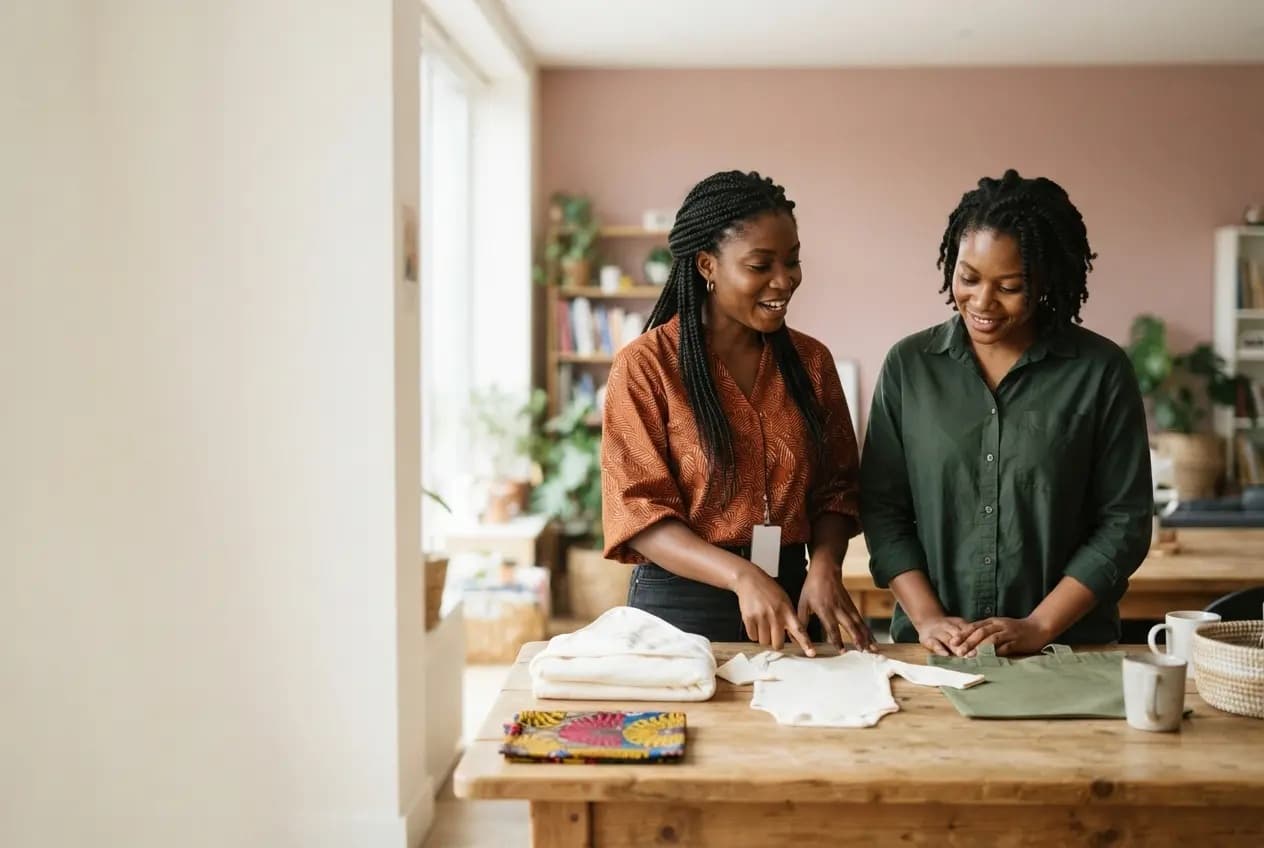
Baby clothes and singlets, maternity pads, and nappies are among the everyday essentials we have in mind. Checking, sorting, and preparing suitable essentials can help make each gift thoughtful and useful.
A personal welcome, with dignity.
A church, mosque, clinic, or community hall could host a session. The aim is help, regardless of faith, with a chance to say what they need. Receiving help should not depend on taking part in worship or being willing to appear in a photograph.
A respectful welcome means clear information, a chance to ask questions, and privacy. People should not have to share a personal story publicly or appear in photographs to be treated with dignity. Hosts should also know what they can offer and who to contact when a question falls outside their role.
Connections with health workers can help families find appropriate support. WHO’s postnatal guidance covers both mothers and babies and includes continuing contact with health services. A community session can share clear information and local contacts, while clinical assessment and treatment remain with qualified services.
Quality care in the first weeks after childbirth (opens in a new tab)
Returning with care.
Going back to the same community helps us learn, build trust, and notice what is changing. We plan to return to the same hosts, agree arrangements, and share clear information about each session. One good visit matters, and coming back helps us understand what families need.
Could you introduce a host, help organise essentials, or offer time locally? Tell us where you are and what you could offer. A conversation about the space, access, and local needs is a good place to start.