
Research & context · 5 min read
Why the first days matter.
What Nigeria’s maternal and newborn health figures tell us, and why care belongs alongside skilled support.
The first days are full of ordinary tasks.
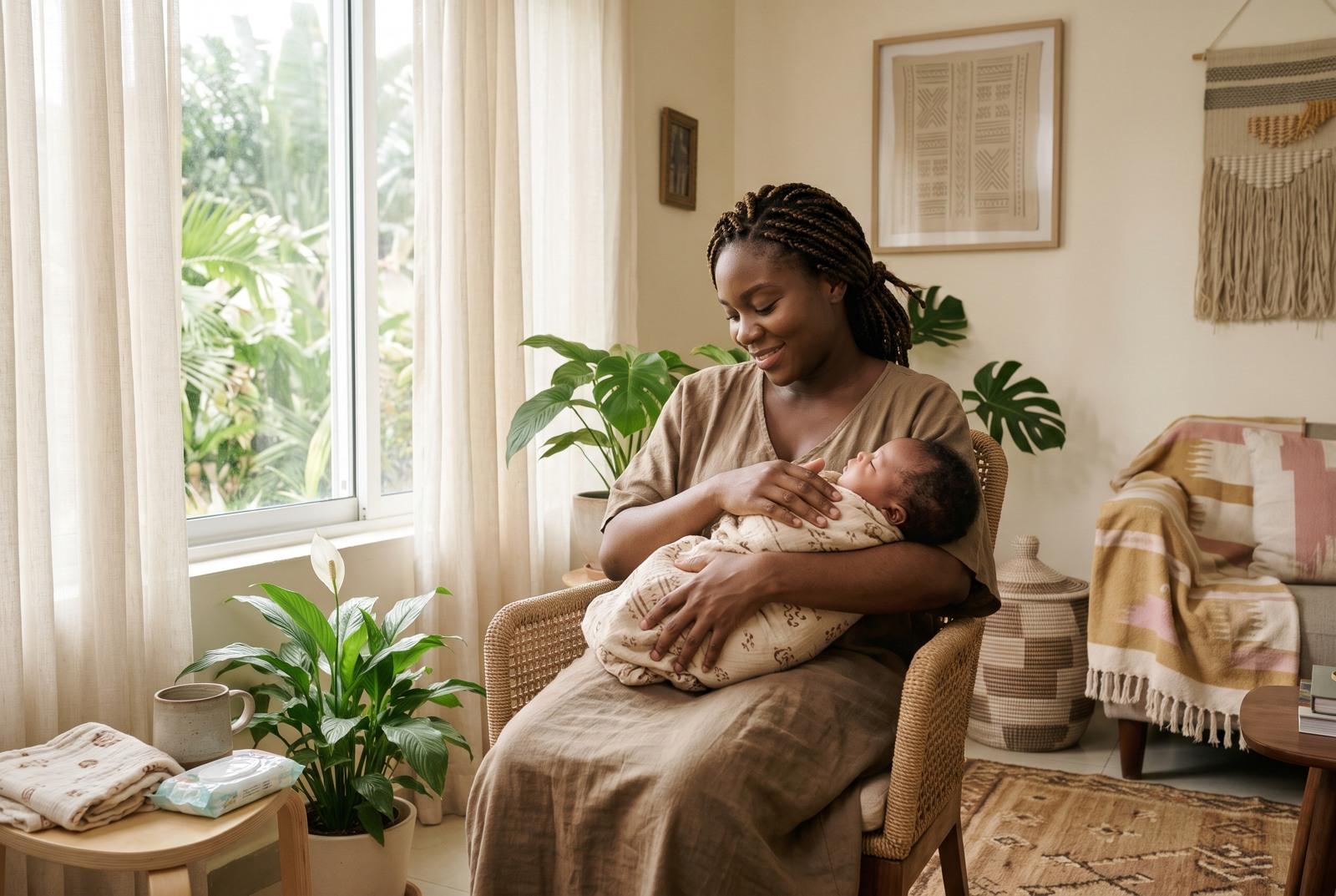
A new baby changes the rhythm of a household. Feeding, changing, washing, resting, and learning to recognise a baby’s needs happen while a mother is recovering herself. Those routines need time, useful essentials, and people who can lend a hand. They also sit within a wider picture of maternal and newborn health in Nigeria.
RootedRibbons begins with a simple question: what would make those first days easier for a family welcoming a new baby? To answer responsibly, we need to understand both the evidence about health and the everyday experience of caring for a new baby. The two belong together, but they are not the same thing.
What the Nigeria figures actually measure.
The UN maternal mortality estimate published through the World Bank puts Nigeria’s maternal mortality ratio at 993 maternal deaths per 100,000 live births in 2023. A maternal mortality ratio describes deaths related to pregnancy or its management during pregnancy or within 42 days after it ends, excluding accidental or incidental causes. It is not a count of deaths caused by a lack of baby essentials.
The UN Inter-agency Group for Child Mortality Estimation, also published through the World Bank, estimates Nigeria’s neonatal mortality rate at 39 deaths per 1,000 live births in 2024. Neonatal means the first 28 days of life. This measure includes deaths from different causes during that period; it is not a SIDS rate.
These are national estimates from different years, using different denominators. They should not be added together or read as the experience of every state, community, or family. They show the scale of the need, not what every household faces.
Nigeria: maternal mortality ratio, modelled estimate (opens in a new tab)
Why the first month needs skilled care.
WHO identifies premature birth, complications around birth, neonatal infections, and congenital anomalies among the leading causes of newborn deaths globally. These conditions require timely assessment and appropriate care. A baby who is small, unwell, or struggling to feed may need specialist support, not simply more essentials in a bag.
The same WHO guidance describes essential newborn care as including thermal protection, hygienic skin and cord care, feeding support, and assessment for serious health problems. This helps explain why practical care and clinical care must be connected. Clean clothing can support a daily routine; a trained health worker can assess whether a baby is becoming unwell and arrange treatment.
For families, that connection starts before birth. Knowing where to seek care, having a trusted person to ask, and preparing useful essentials are different parts of the same beginning. We keep those connections in view rather than treating a pack as a complete answer.
Newborn mortality and essential newborn care (opens in a new tab)
Mum’s recovery belongs in the picture.
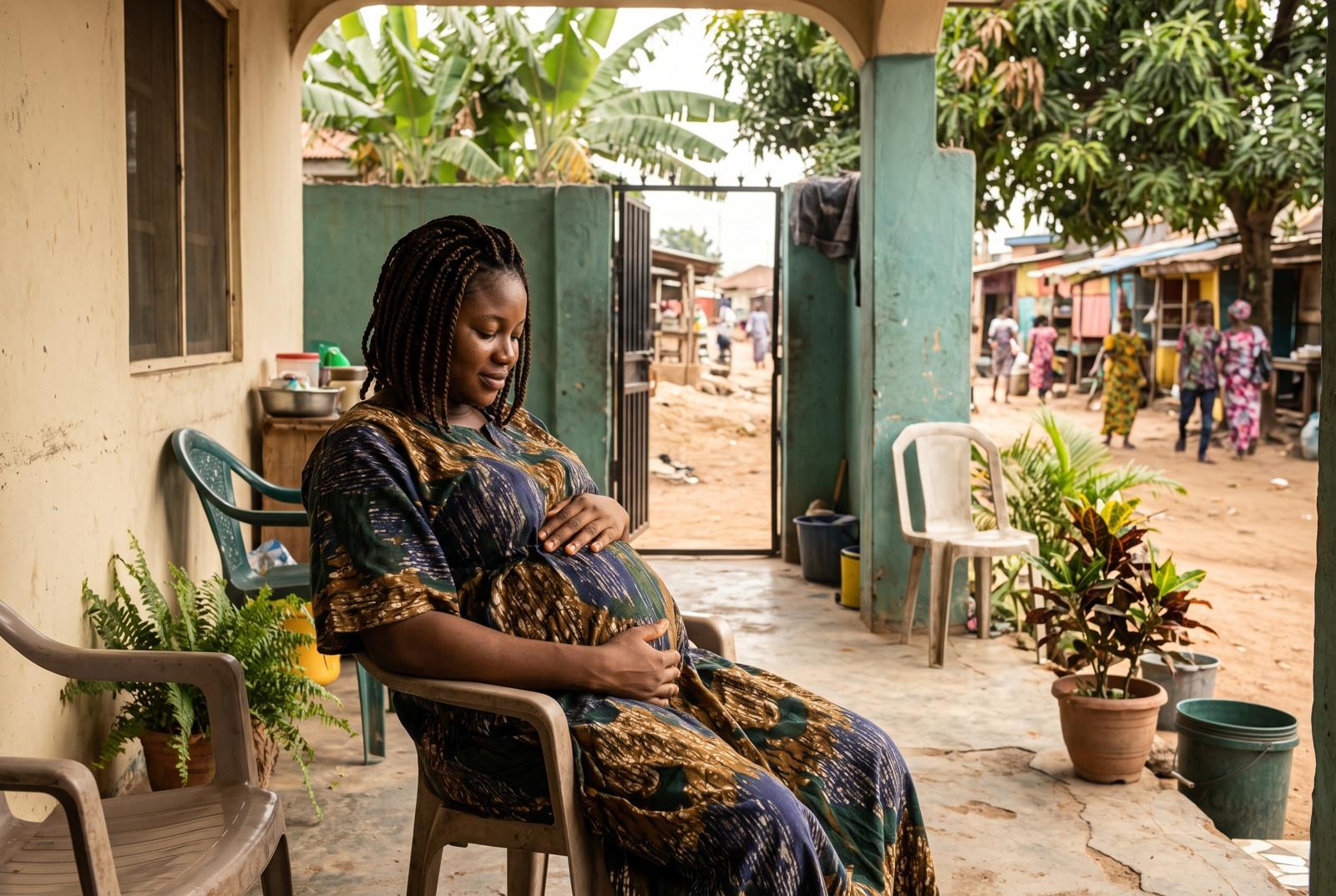
WHO’s postnatal recommendations cover the first six weeks after birth and address the mother’s physical recovery, emotional wellbeing, feeding support, and the baby’s health. The recommendations include continuing contact with health services after the birth itself. A family’s need for care does not end when they leave a maternity facility.
That is why RootedRibbons keeps mum’s comfort alongside the baby’s needs. Everyday essentials and clear information recognise that recovery has real demands. A respectful conversation also creates space for a mother to say what she needs, instead of assuming that every household has the same circumstances.
Practical support should make rest and questions easier. It should not leave a mother feeling that she must manage everything alone because she has received some essentials.
Quality care in the first weeks after childbirth (opens in a new tab)
Why access and dignity matter.
WHO describes barriers to maternal care that include income and social inequality, shortages of trained staff and medical supplies, and poor-quality or disrespectful care. These are not problems a household can solve just by being more prepared. They involve services, resources, and how people are treated.
In practice, we help put everyday essentials within reach and encourage useful local connections. A welcoming introduction or a clear collection arrangement may make participation easier. It does not replace transport to a hospital, emergency treatment, or skilled maternity care. Understanding the difference keeps our role clear.
Maternal mortality: causes and barriers to care (opens in a new tab)
Birth rates are a different question.
Natality means births. A crude birth rate usually counts live births per 1,000 people in the population during a year. A neonatal mortality rate counts deaths before 28 days per 1,000 live births. The similar words describe different things: how many babies are born, and the risk of dying in the newborn period.
Birth numbers can help services plan how much care is needed. For explaining our mission, the more useful questions are what families need, which barriers they face, and how practical help can sit alongside good care. A high birth rate by itself does not tell us which family needs assistance or what that assistance should look like.
Where everyday essentials can make a difference.
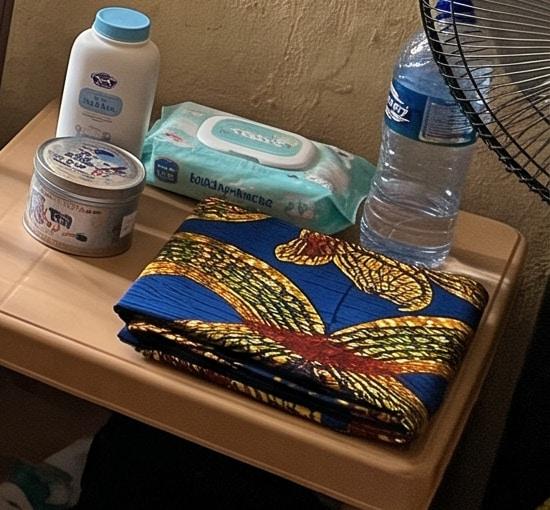
A clean nappy, a suitable outfit, or a maternity pad answers a specific everyday need. That is what our essentials work is for: useful essentials, clear information, and a chance to listen, rather than assume that every mother needs the same bag.
The mortality figures explain why maternal and newborn wellbeing deserves sustained attention. They do not measure the impact of RootedRibbons, and they cannot establish that essentials distributions reduce deaths. We start with useful essentials and clear information, alongside the skilled services families need.